Eczema and the Barrier: Why Moisturizer Isn't Enough
7 min read · April 1, 2026
If you have eczema, you've heard it a thousand times: moisturize. Use a thick cream. Apply after bathing. Seal in the moisture. It's the foundational advice for atopic dermatitis — and it's not wrong. But it's incomplete.
The question nobody asks is: what are we actually sealing in? And what about the conditions underneath the seal?
How the Barrier Works
The stratum corneum — the outermost layer of skin — is often described as a "brick and mortar" structure. Corneocytes (dead, flattened skin cells) are the bricks. Lipids — ceramides, cholesterol, and fatty acids — are the mortar. Together, they form a barrier that prevents water loss and blocks microbial invasion.
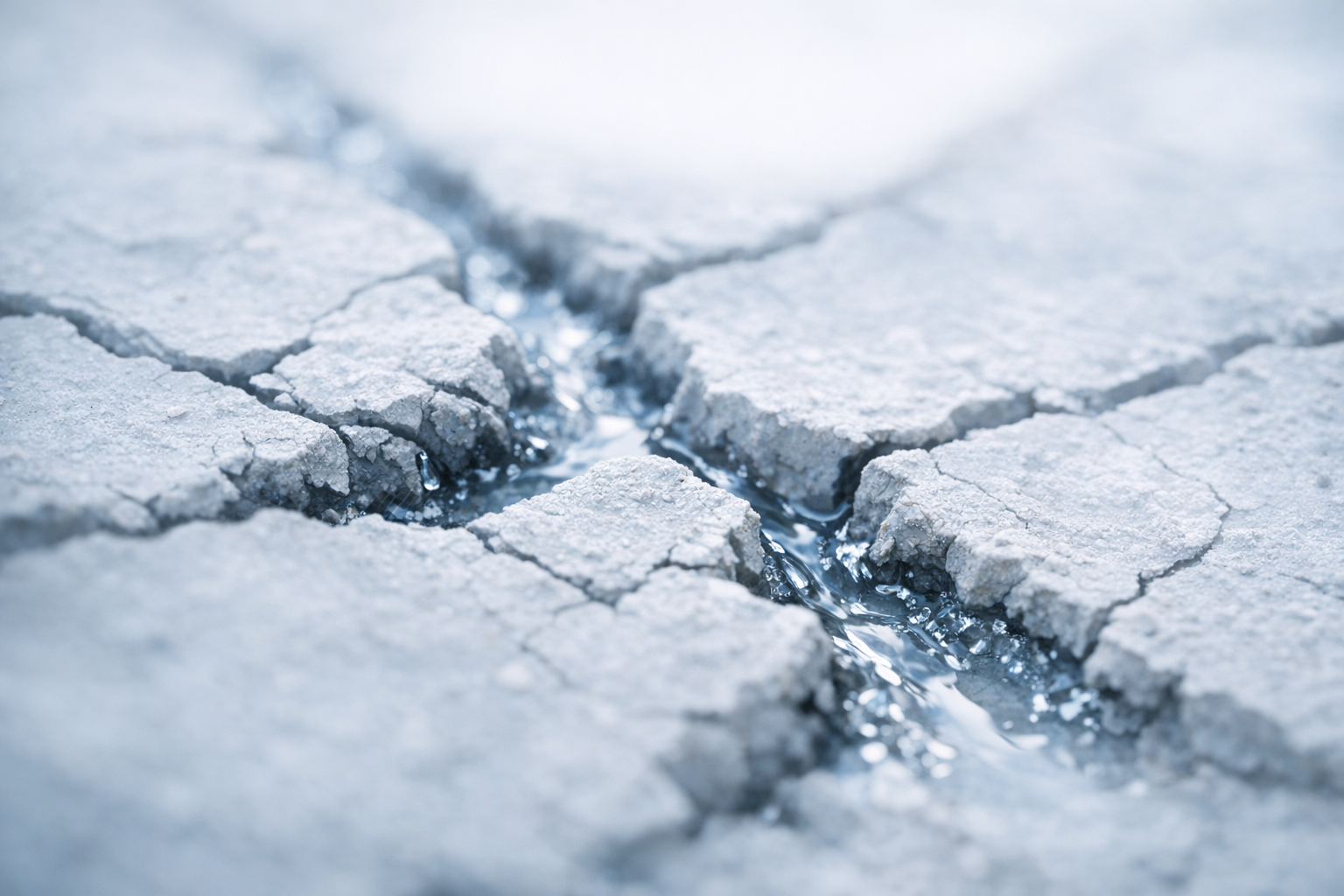
In eczema, this structure is compromised. Genetic factors (like filaggrin mutations) reduce the quality of the corneocytes. Inflammatory processes degrade the lipid matrix. The result: gaps in the mortar, water escaping, and irritants getting in. Transepidermal water loss increases. The skin dries, cracks, and becomes vulnerable to infection.
~204 million
people worldwide affected by atopic dermatitis, making it the leading contributor to skin-related disability globally
Source: Laughter et al., British Journal of Dermatology, 2023 — comprehensive systematic analysis and modelling study (PMID: 37705227)
15–27%
of eczema patients carry filaggrin gene mutations — the strongest known genetic risk factor — compared to ~10% of the general population
Source: Palmer et al., Nature Genetics, 2006; Margolis et al., Journal of Allergy and Clinical Immunology, 2012 (PMID: 22951058)
The Occlusive Approach
Traditional moisturizers address barrier dysfunction through occlusion — forming a physical film over the skin surface that reduces transepidermal water loss. Petrolatum, mineral oil, dimethicone, and heavy creams all work this way. They're effective at what they do: slowing water escape.
But occlusion has limitations. It doesn't restore the lipid matrix. It doesn't address the inflammatory processes degrading the barrier. It doesn't change the pH of the skin surface. And by creating a sealed environment, it can actually reduce atmospheric oxygen exchange and create conditions that favor certain microbial populations over others.
“Moisturizer seals the barrier. But sealing a broken barrier doesn't fix it — it just slows the leak.”
Measuring the Leak: Transepidermal Water Loss
TEWL — the rate at which water escapes through the skin — is the gold-standard measure of barrier dysfunction. Studies show TEWL at eczema lesions averages 28.7 g/m²/h, compared to 11.6 g/m²/h in healthy skin. Remarkably, elevated TEWL measured in newborns at just 2 days of age can predict eczema development at 12 months, suggesting barrier dysfunction precedes — rather than results from — the disease.
What the Barrier Actually Needs
Barrier repair is an active biological process. Cells need to synthesize new lipids, organize them into lamellar structures, and integrate them into the existing matrix. This requires energy (ATP from aerobic metabolism), the right pH environment (4.5–5.5 for optimal enzyme function), adequate hydration at the cellular level, and a microbial community that supports rather than undermines the process.
- Oxygen availability — research shows oxygen plays a role in cellular energy production
- pH stability — enzymes responsible for lipid processing function optimally at pH 4.5–5.5
- Deep hydration — not surface moisture, but water availability at the cellular level
- Microbial balance — commensal bacteria support barrier integrity; dysbiosis undermines it
The Micro-Environment Approach
This is where the micro-environment framework changes the conversation. Instead of sealing the barrier from above, it asks: can we create the conditions that allow the barrier to rebuild from within?
Oxora Intensive is formulated specifically for very dry, rough, eczema-prone skin. It contains oxygen nanobubbles designed to support the skin surface micro-environment, respects the skin's acidic pH window, and provides lightweight, non-greasy hydration. No occlusives. No active pharmaceutical ingredients. Just the conditions designed to help skin look and feel more comfortable.
A Different Kind of Moisturizer
Oxora Intensive isn't a moisturizer in the traditional sense. It doesn't seal. It doesn't occlude. It's designed to support the skin surface micro-environment — helping skin look healthier and feel more comfortable.
Moisturizing is still important. But for the 200+ million people living with eczema worldwide, it may be time to ask whether sealing the surface is enough — or whether the real solution starts with the conditions underneath.
Important
Oxora products are cosmetic skincare products. They are not intended to diagnose, treat, cure or prevent any disease. If you have a diagnosed skin condition, persistent symptoms, open wounds, infection, or severe discomfort, consult a healthcare professional.